- location | Moscow, Russia
- status | Completed
- area | 24
- year | 2026
- awards | Arch Moscow 2026 Special Prize – Chairman of the Jury Vasily Bychkov’s Choice
- team | Andrey Volyntsev, Anna Volyntseva, Rafael Mukhametsalikov, Sergey Pavlov, Anastasia Martynova, Daria Mishlyuk, Olga Markina
- partners | Modern Solutions Group (Aludecor, Private Glass), Blaker
- photography | Daria Nesterovskaya
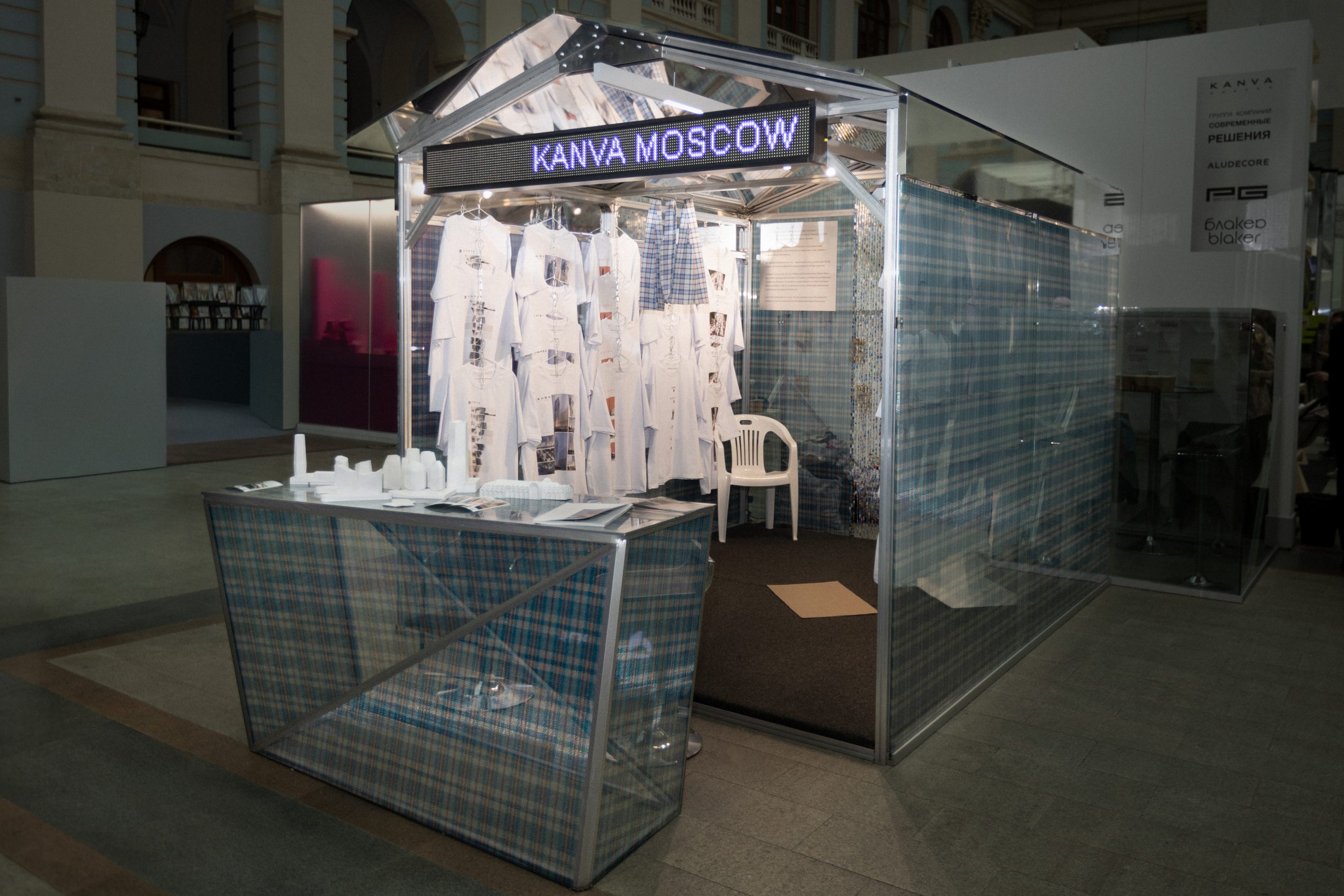
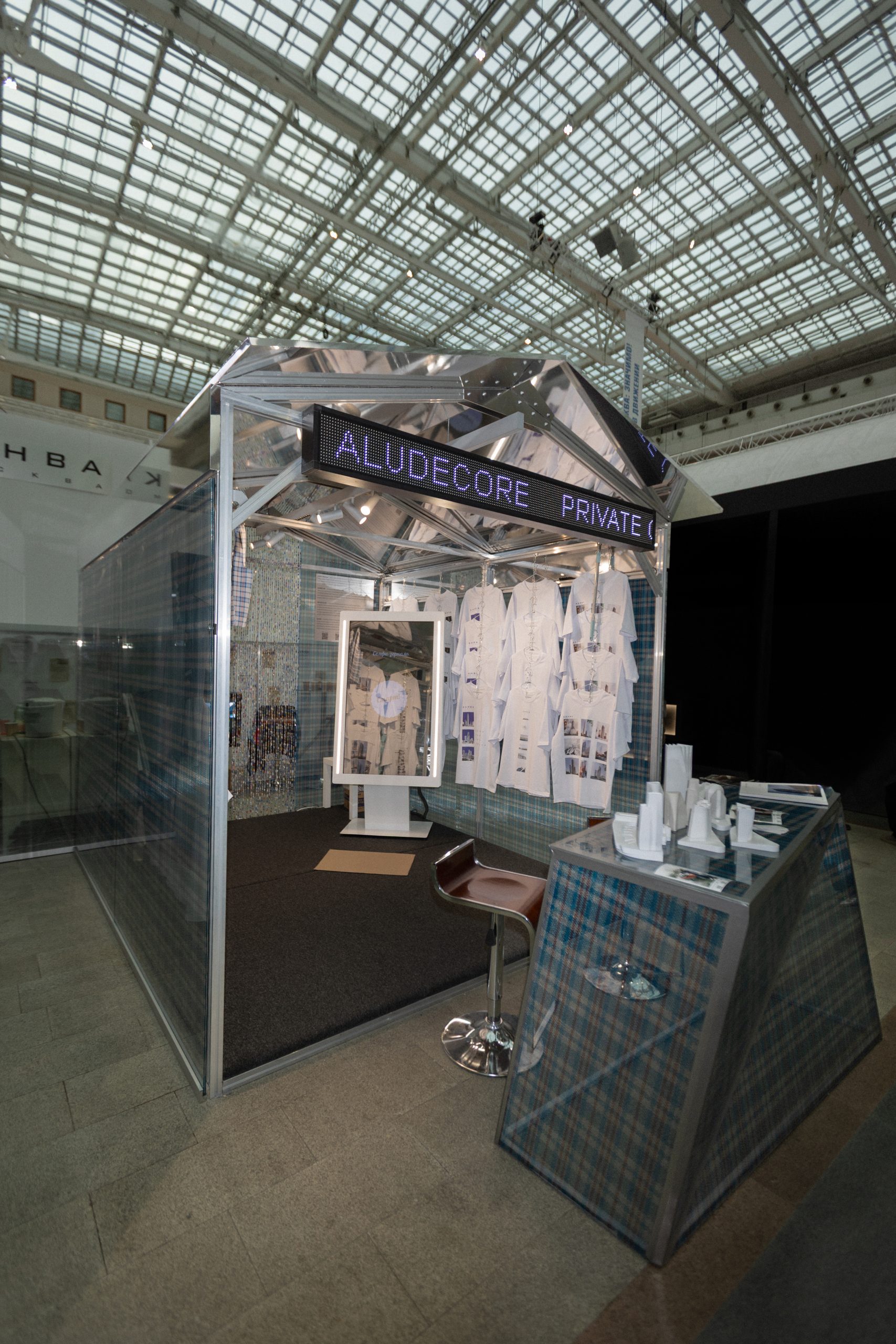
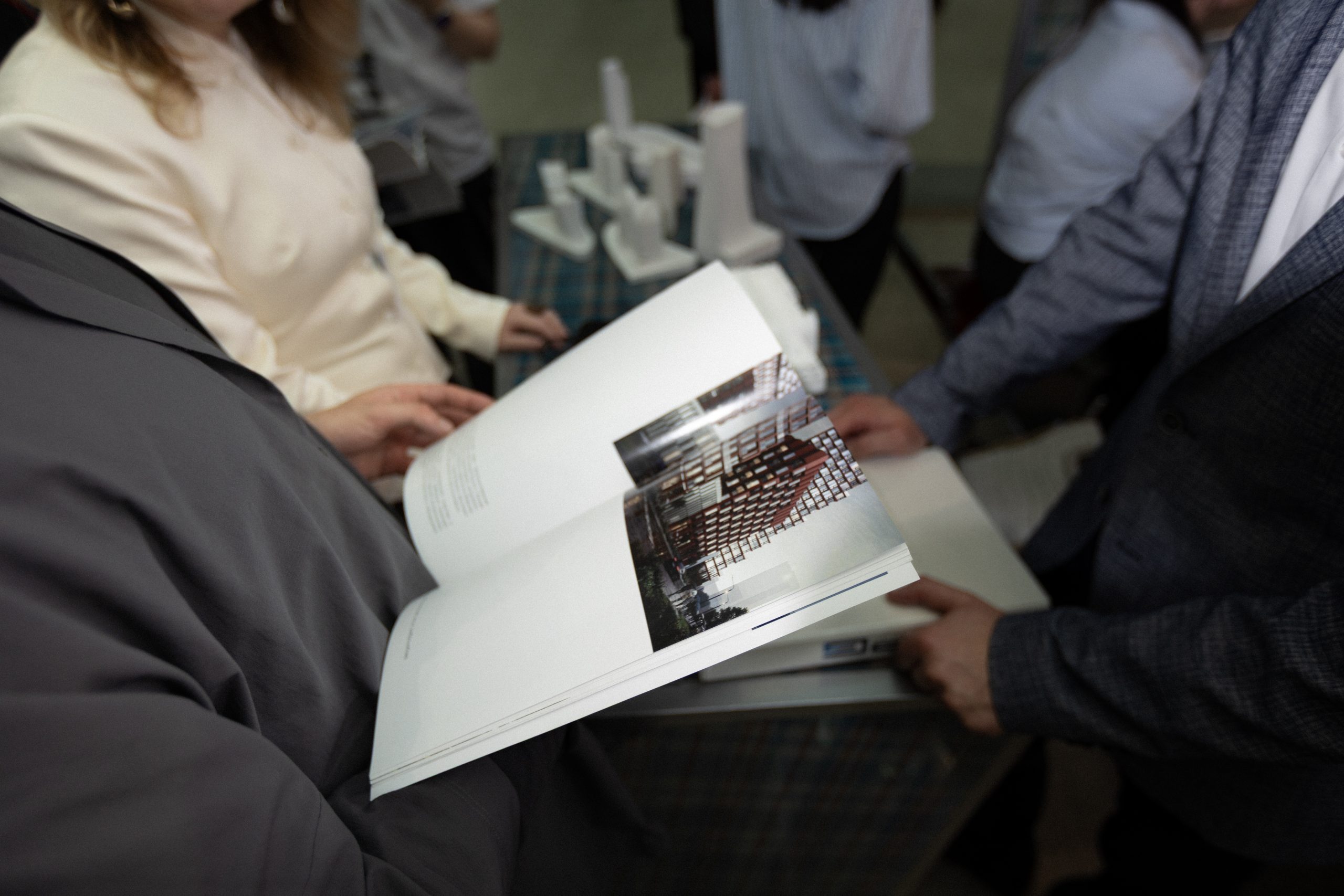
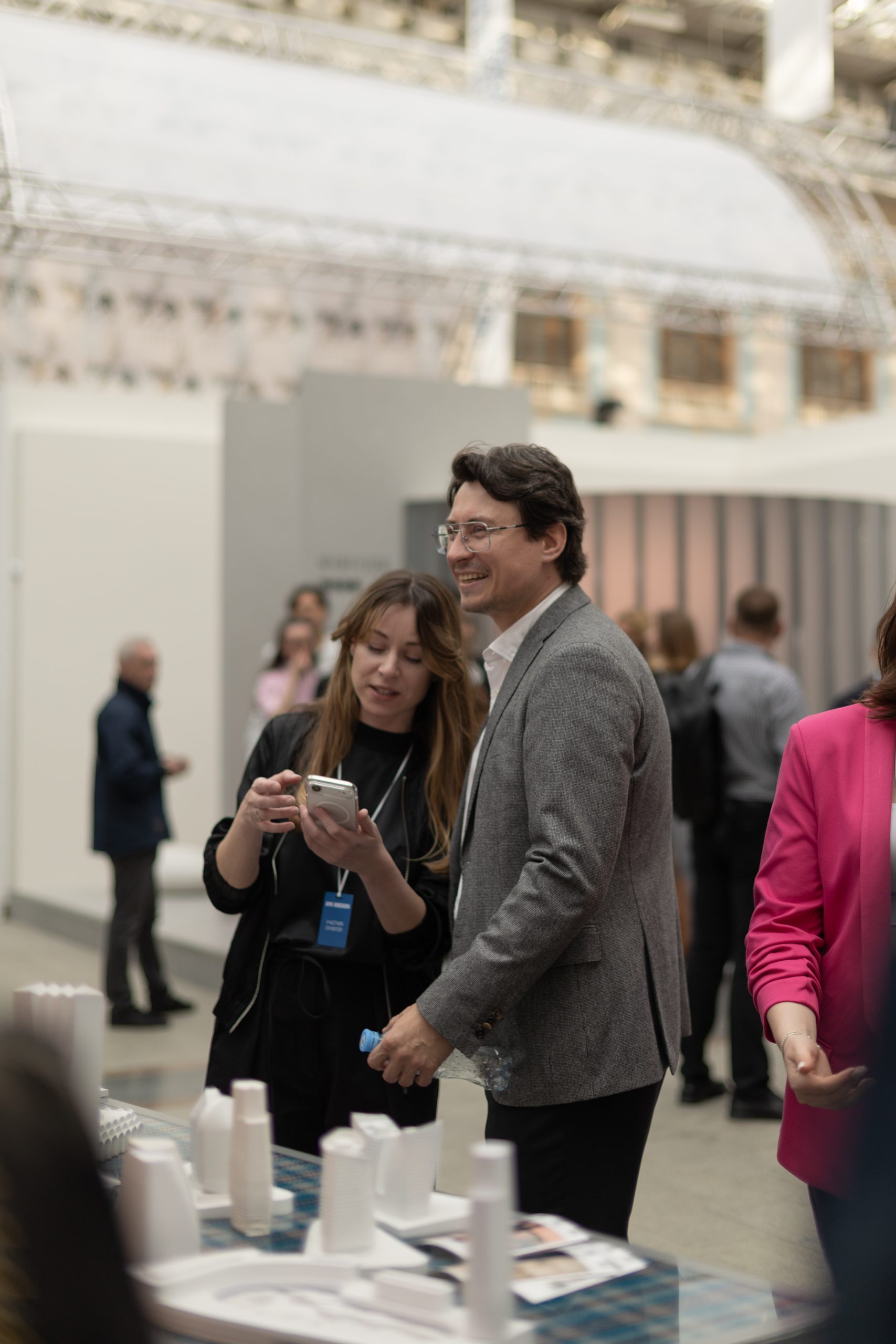
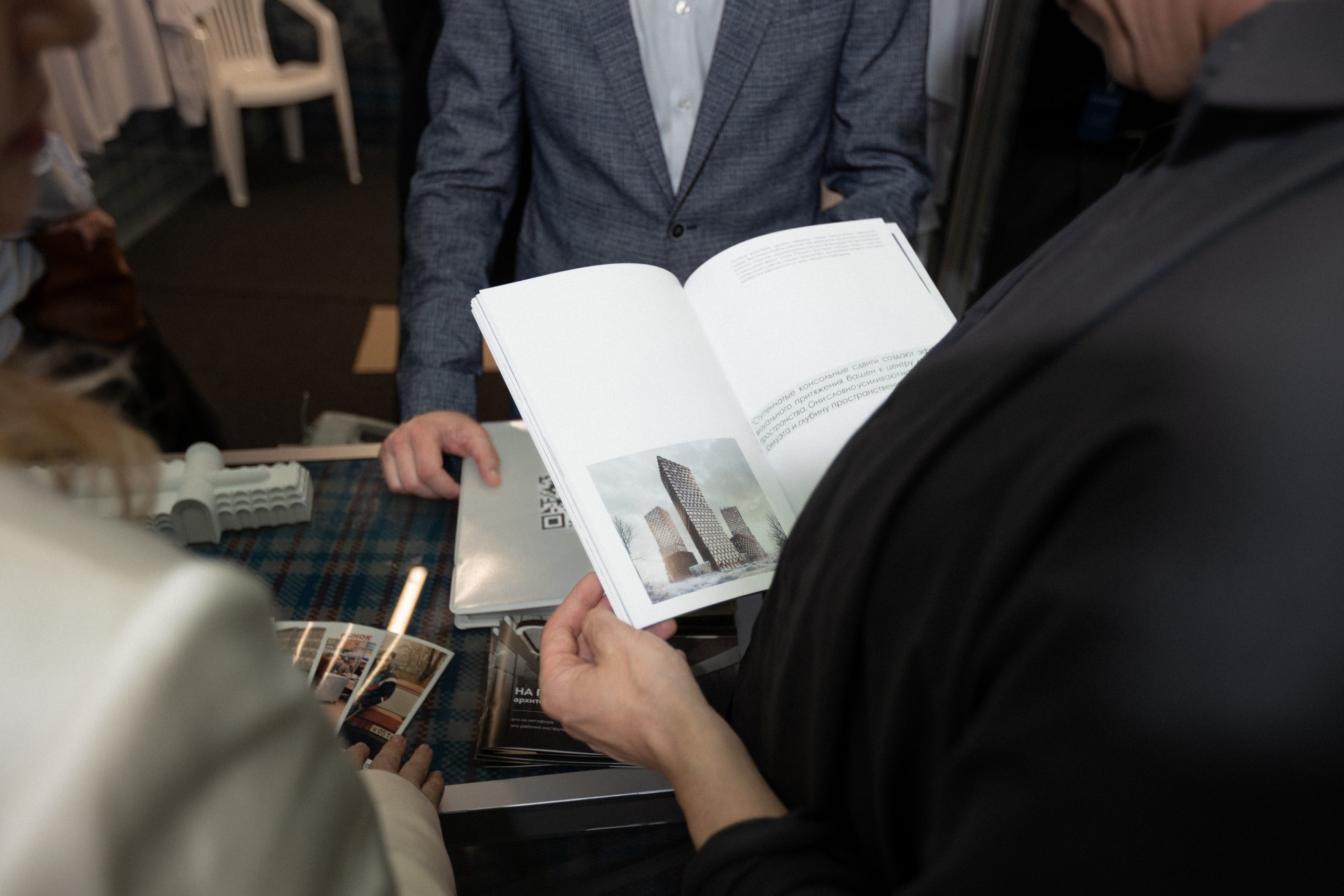
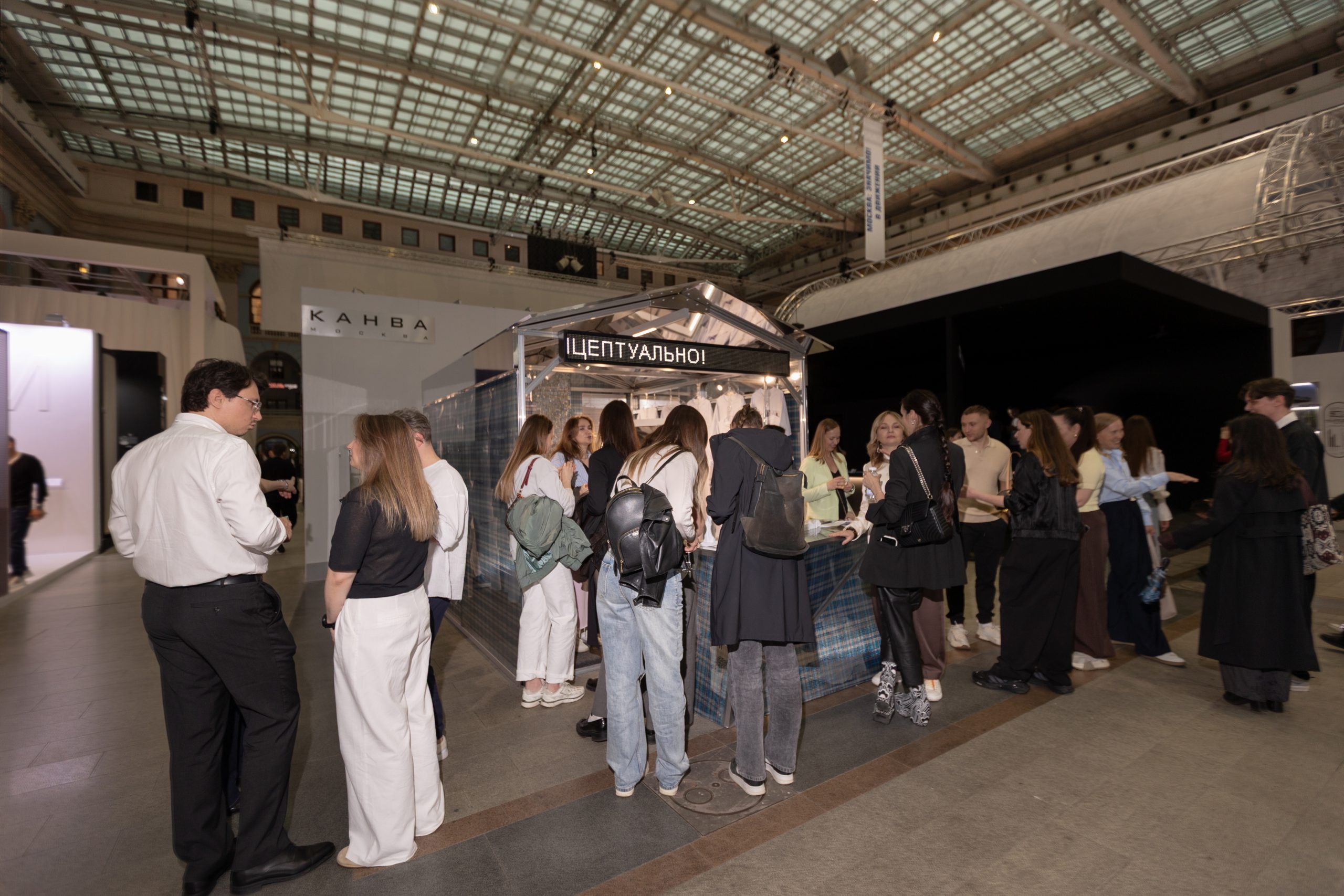
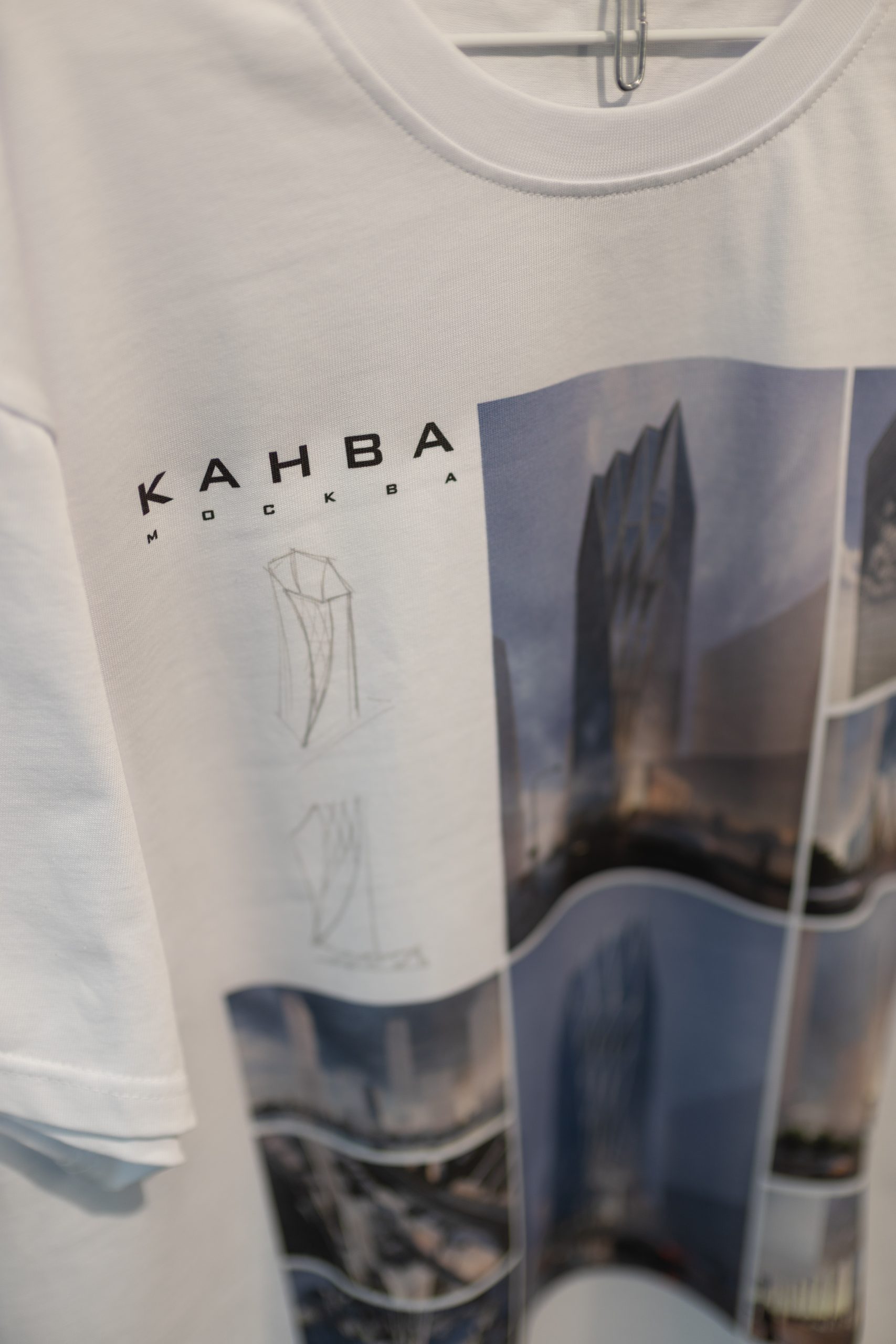
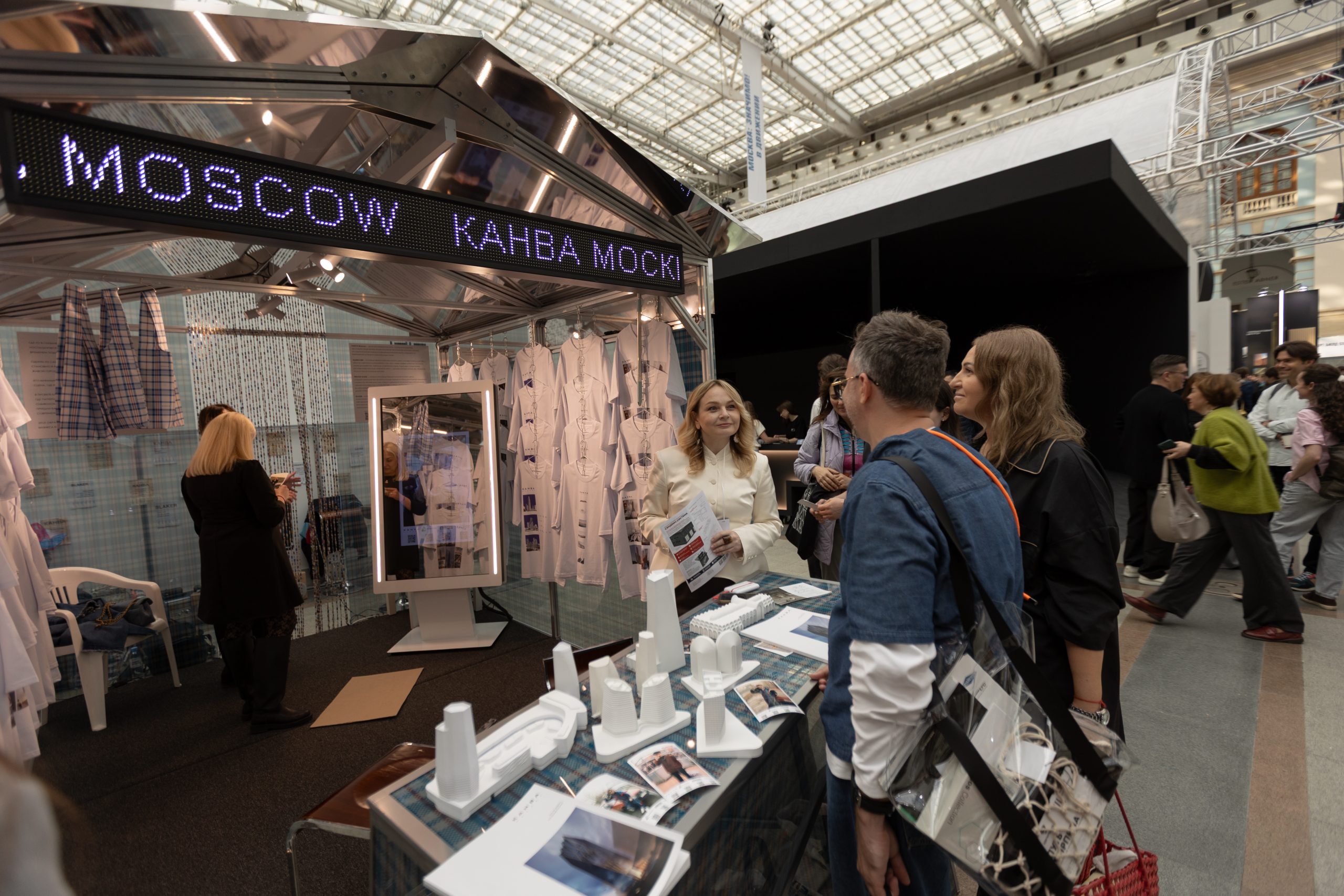
Presented at the 31st International Exhibition and Forum of Architecture and Design Arch Moscow 2026, KANVA Moscow’s conceptual pavilion explores the marketplace as one of the fundamental archetypes of urban life – a space of exchange, interaction, and social connectivity.
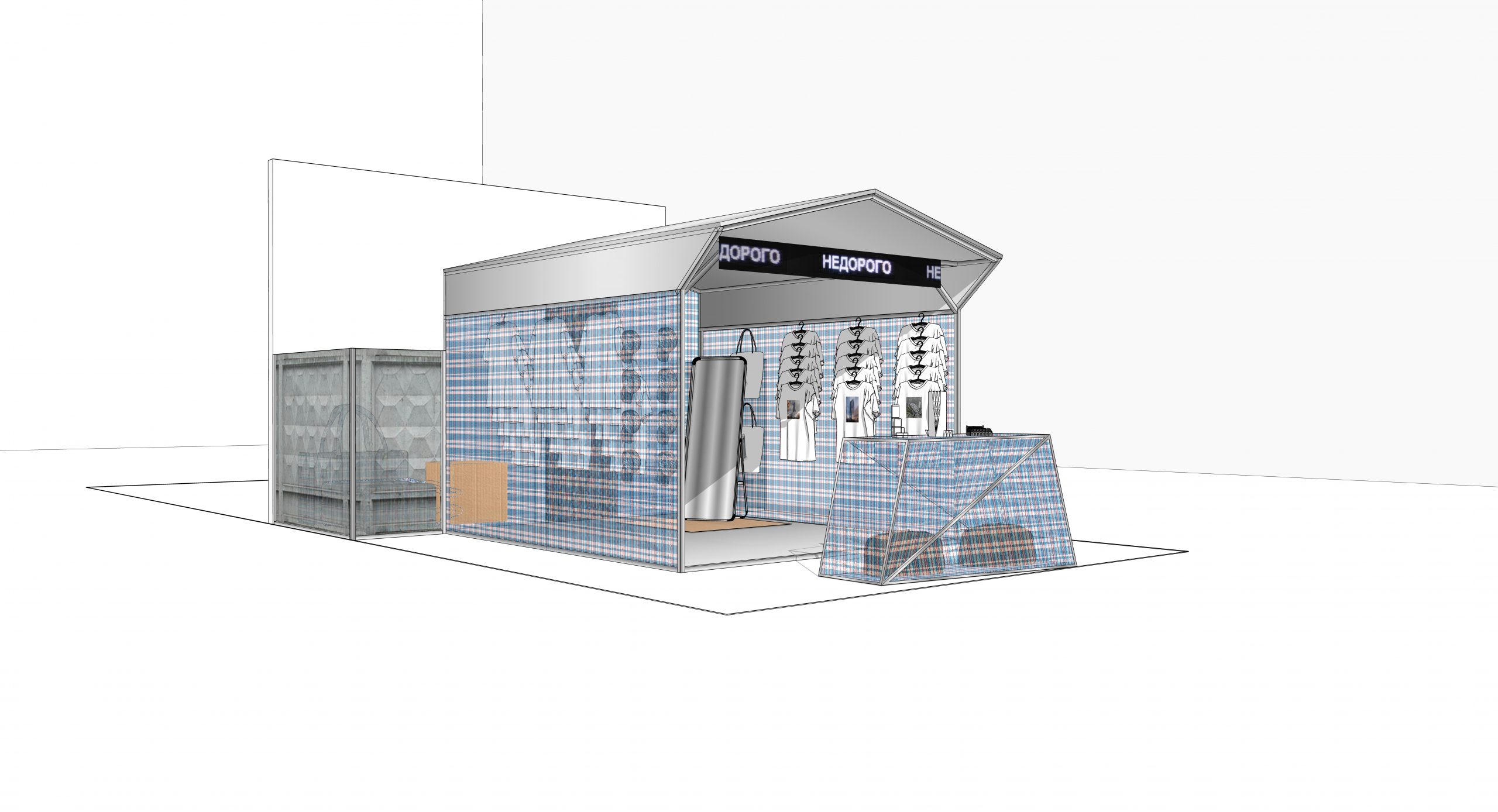
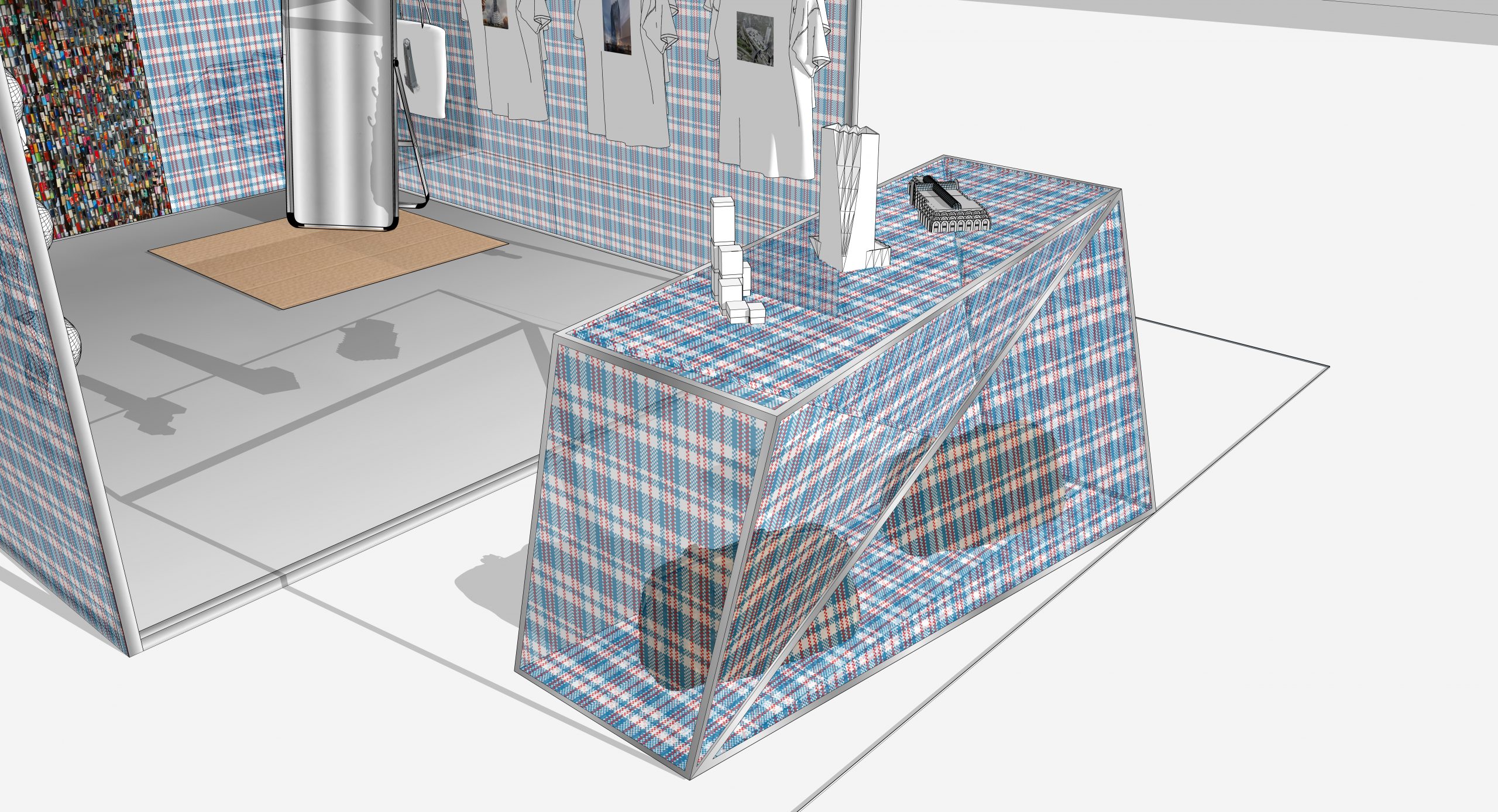
At the core of the project lies the image of the market stall: a simple architectural structure around which everyday urban life revolved for decades. Reinterpreted through the lens of contemporary architecture, the stall becomes a tool for investigating collective memory and the mechanisms that shape the transformation of the city.
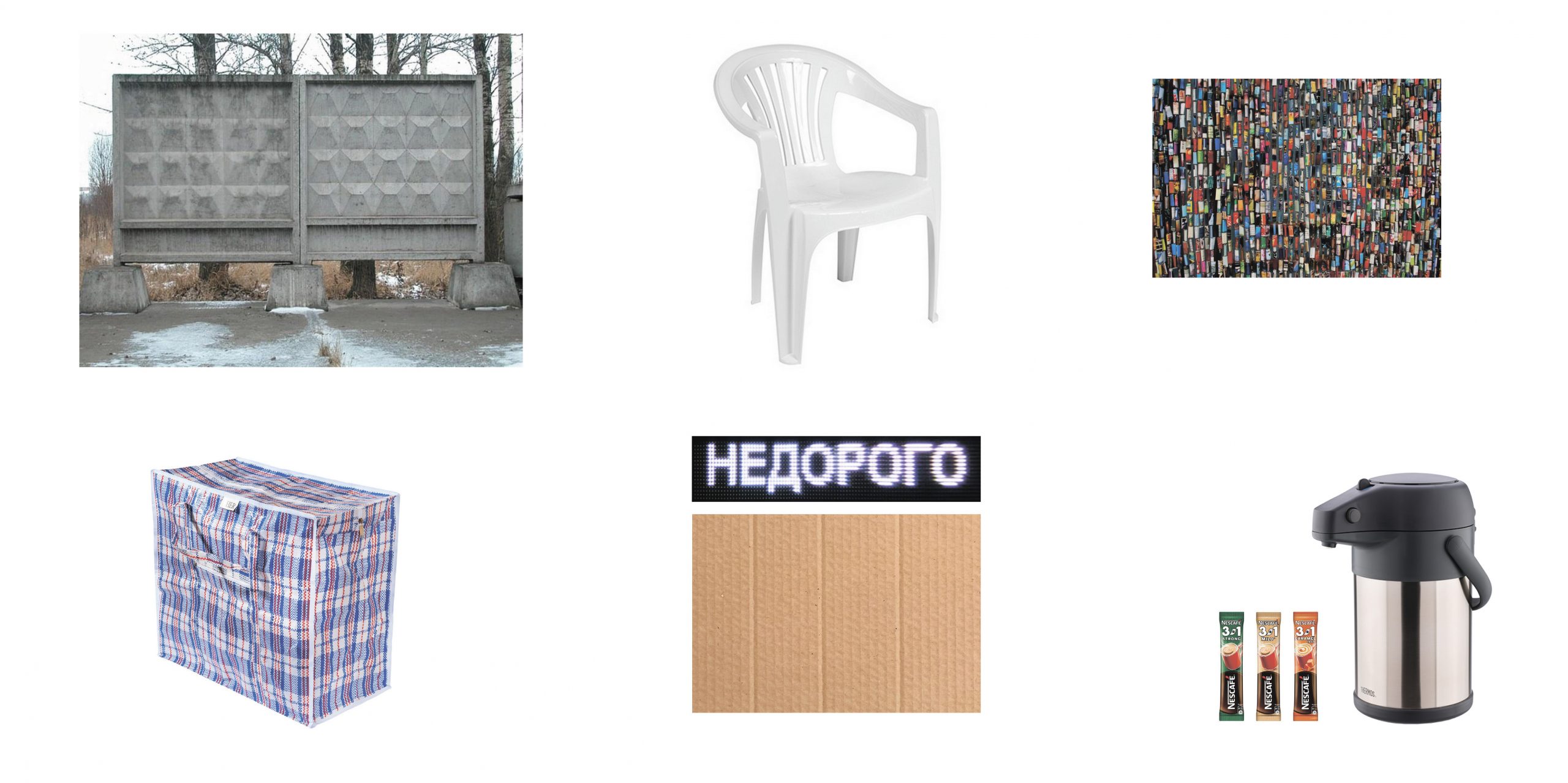
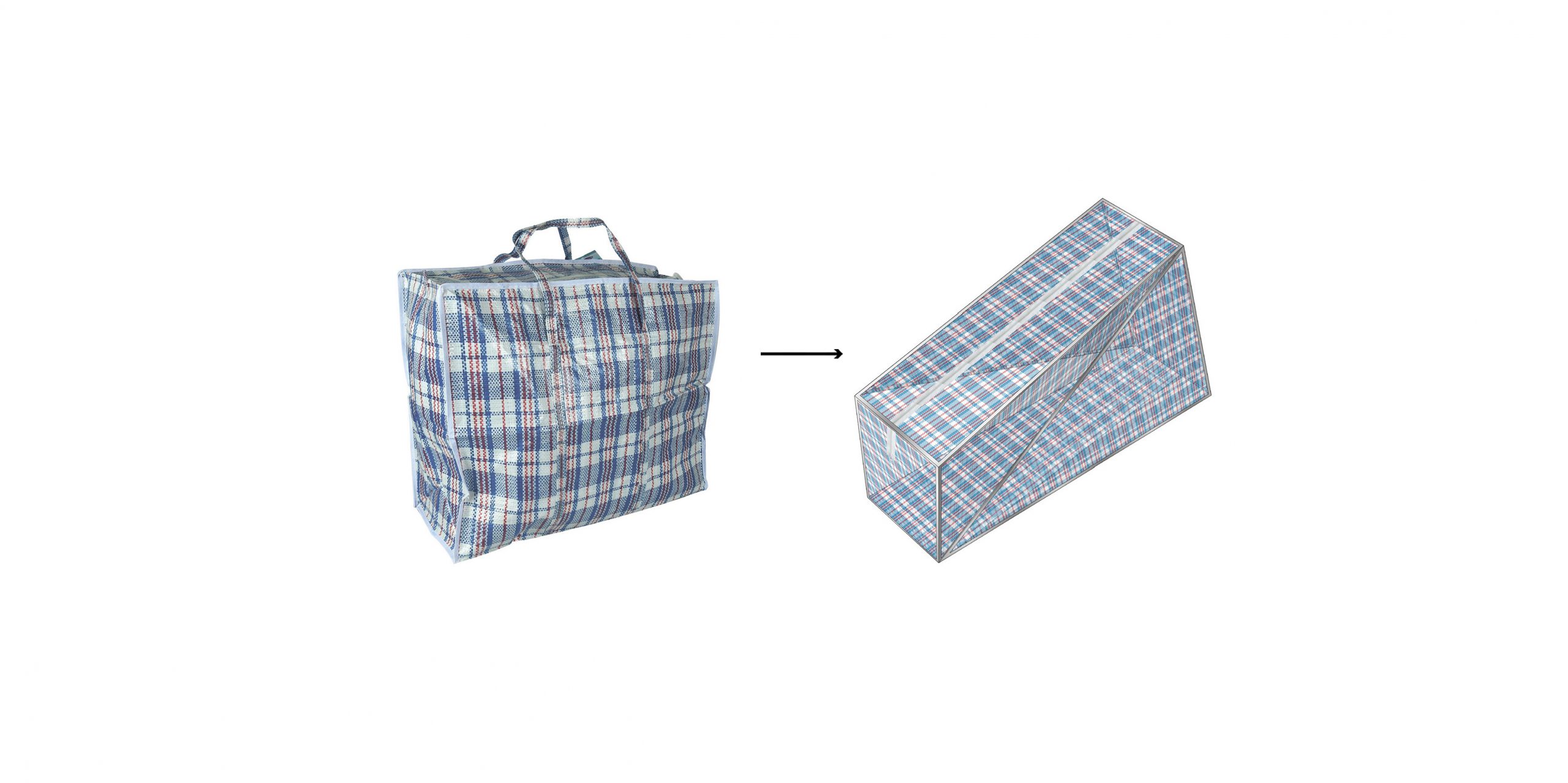
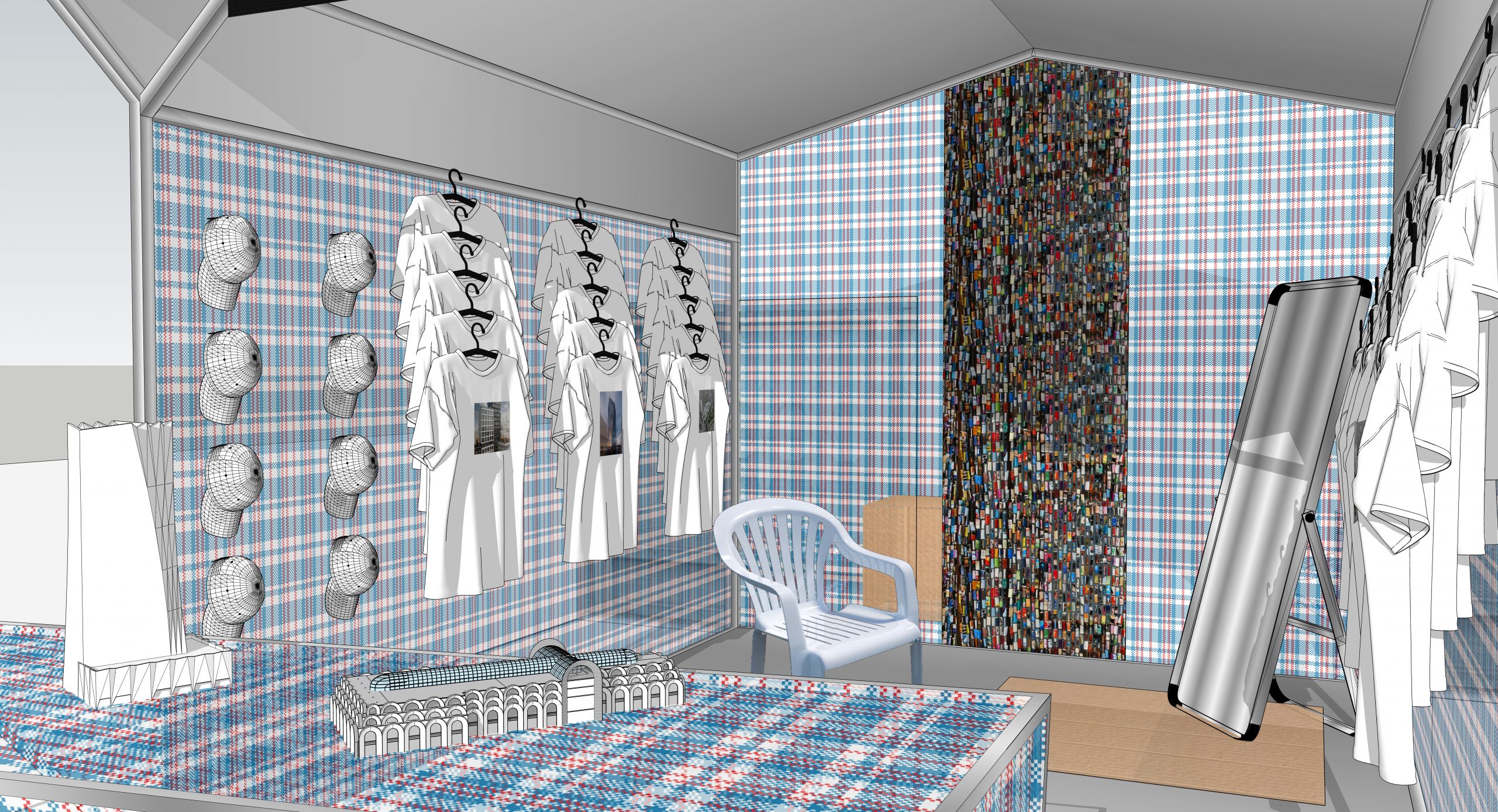
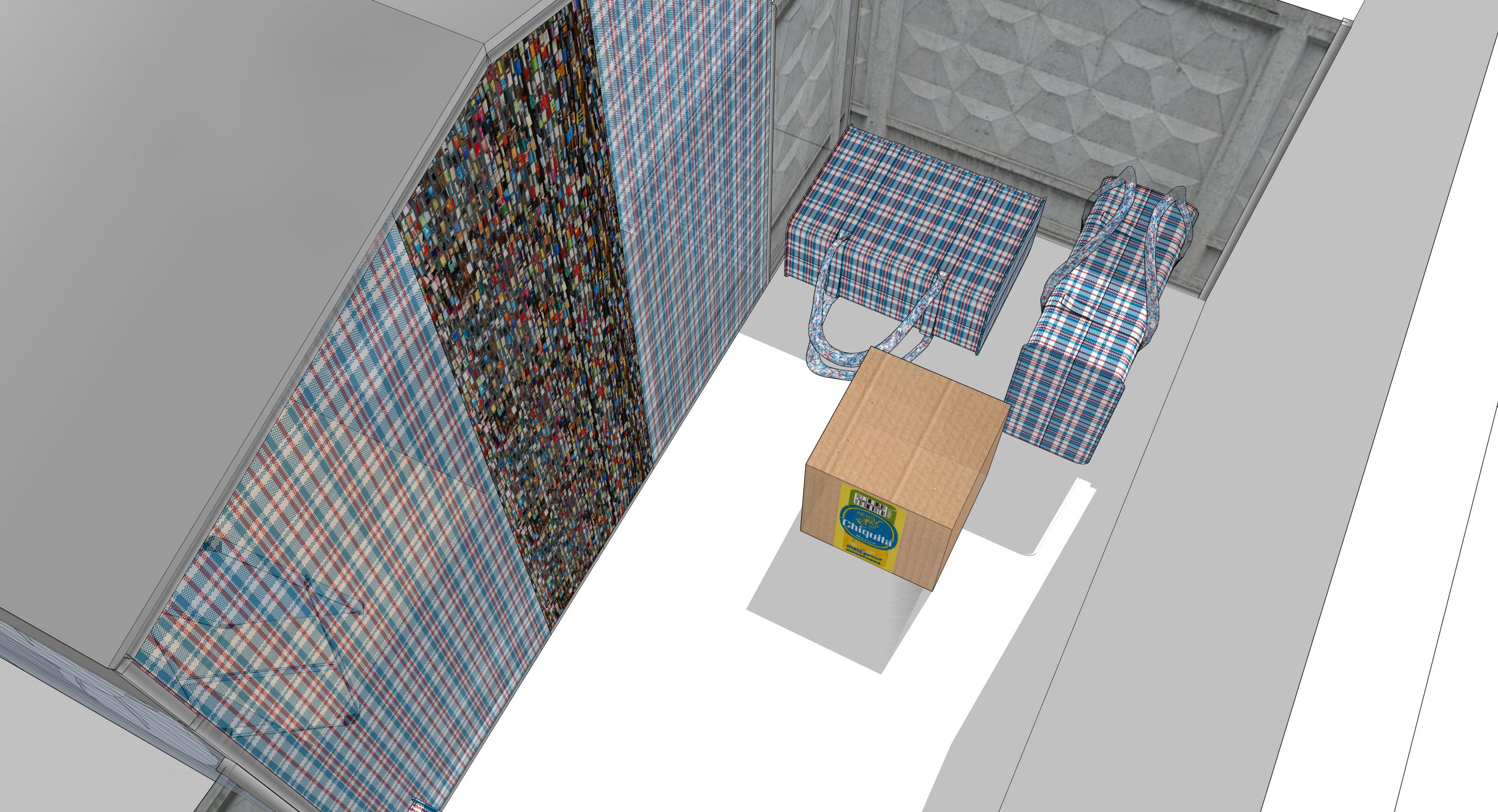
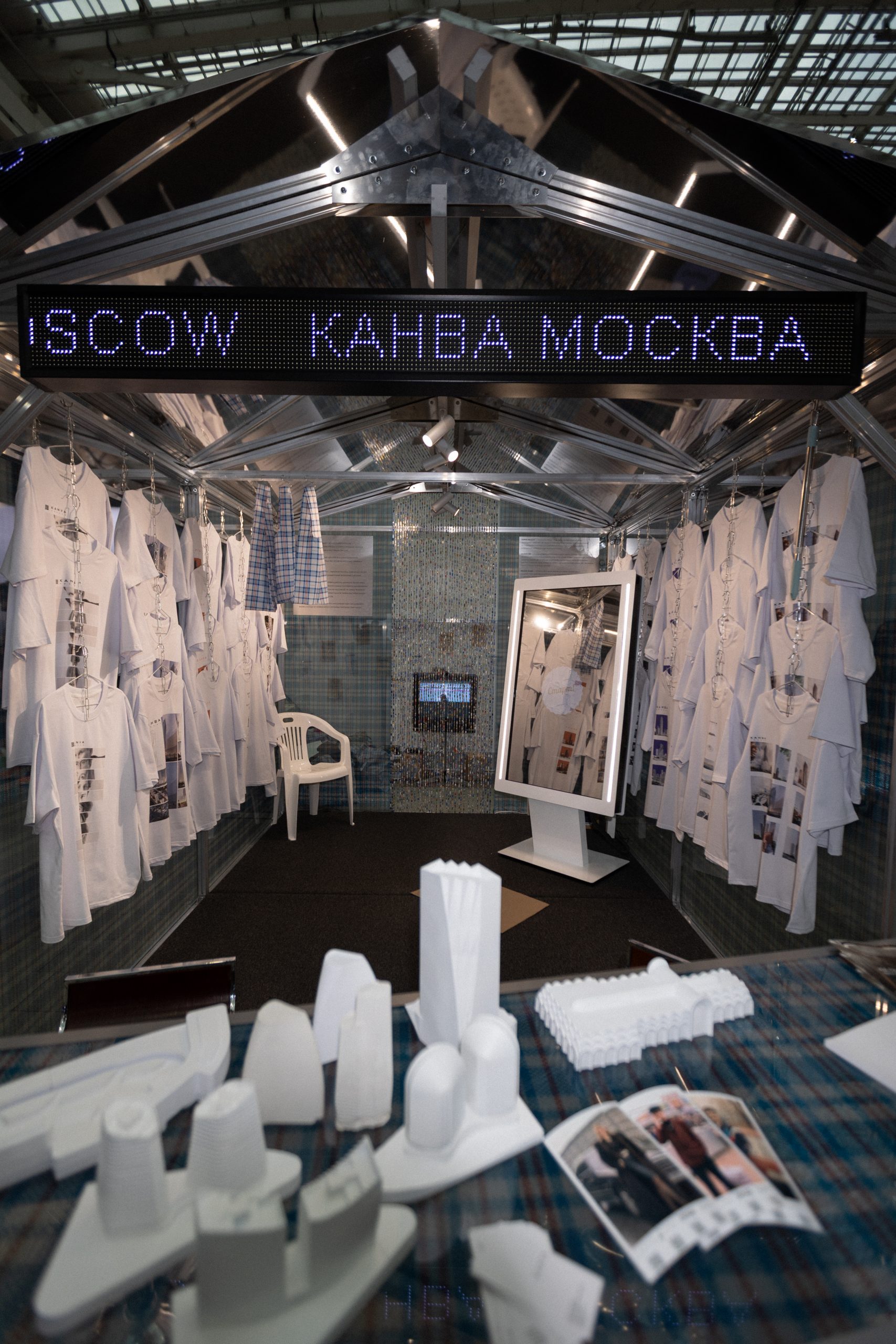
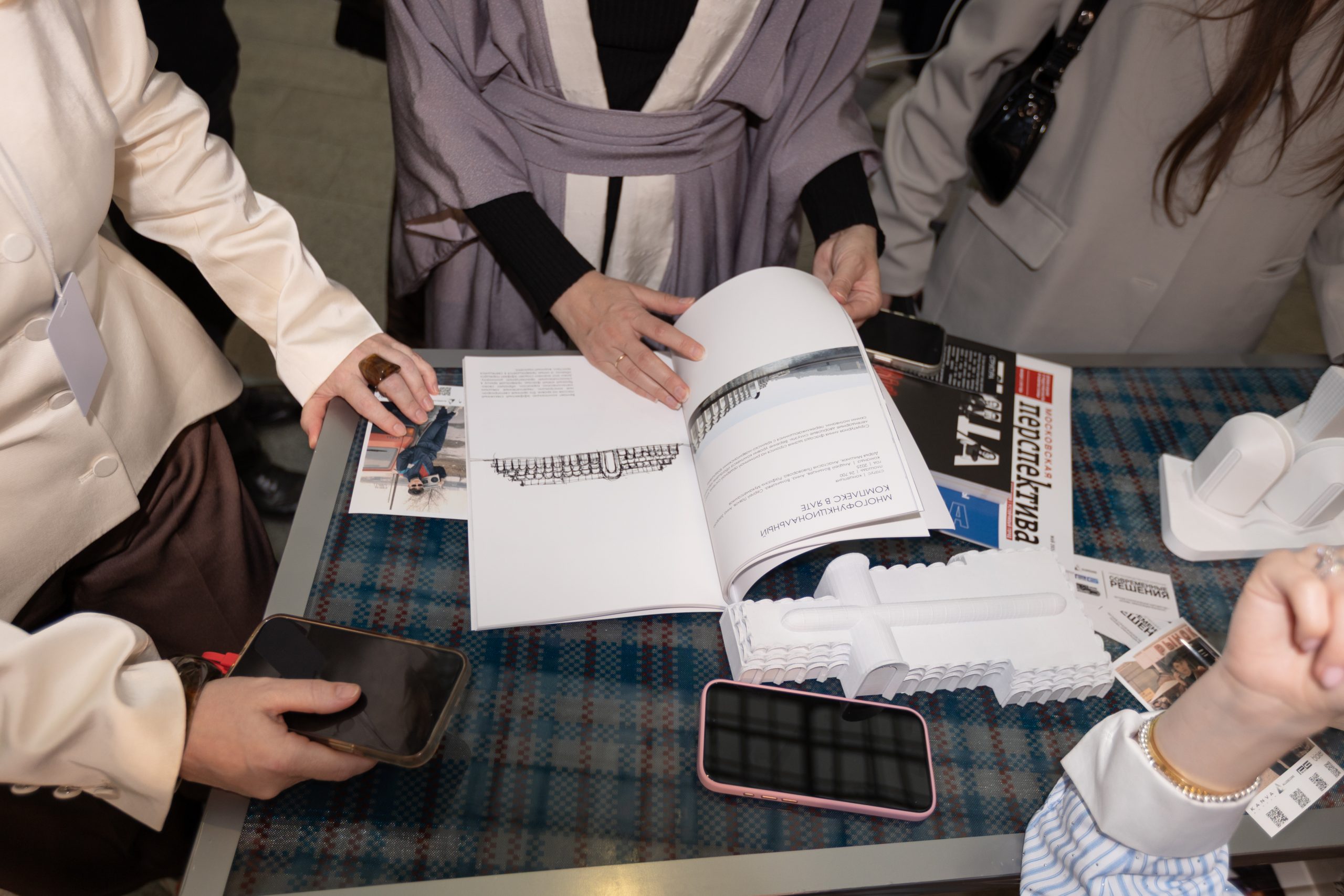
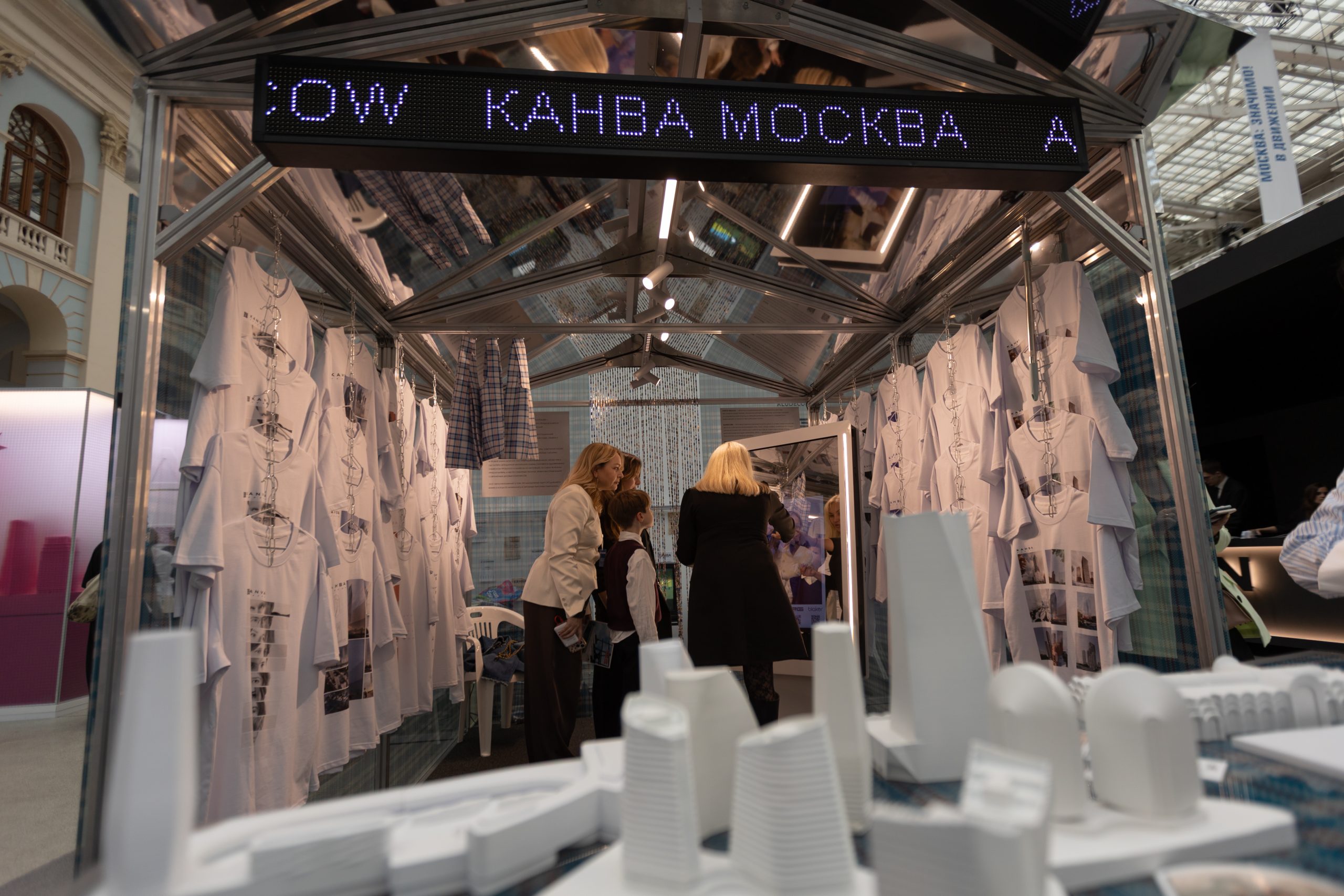
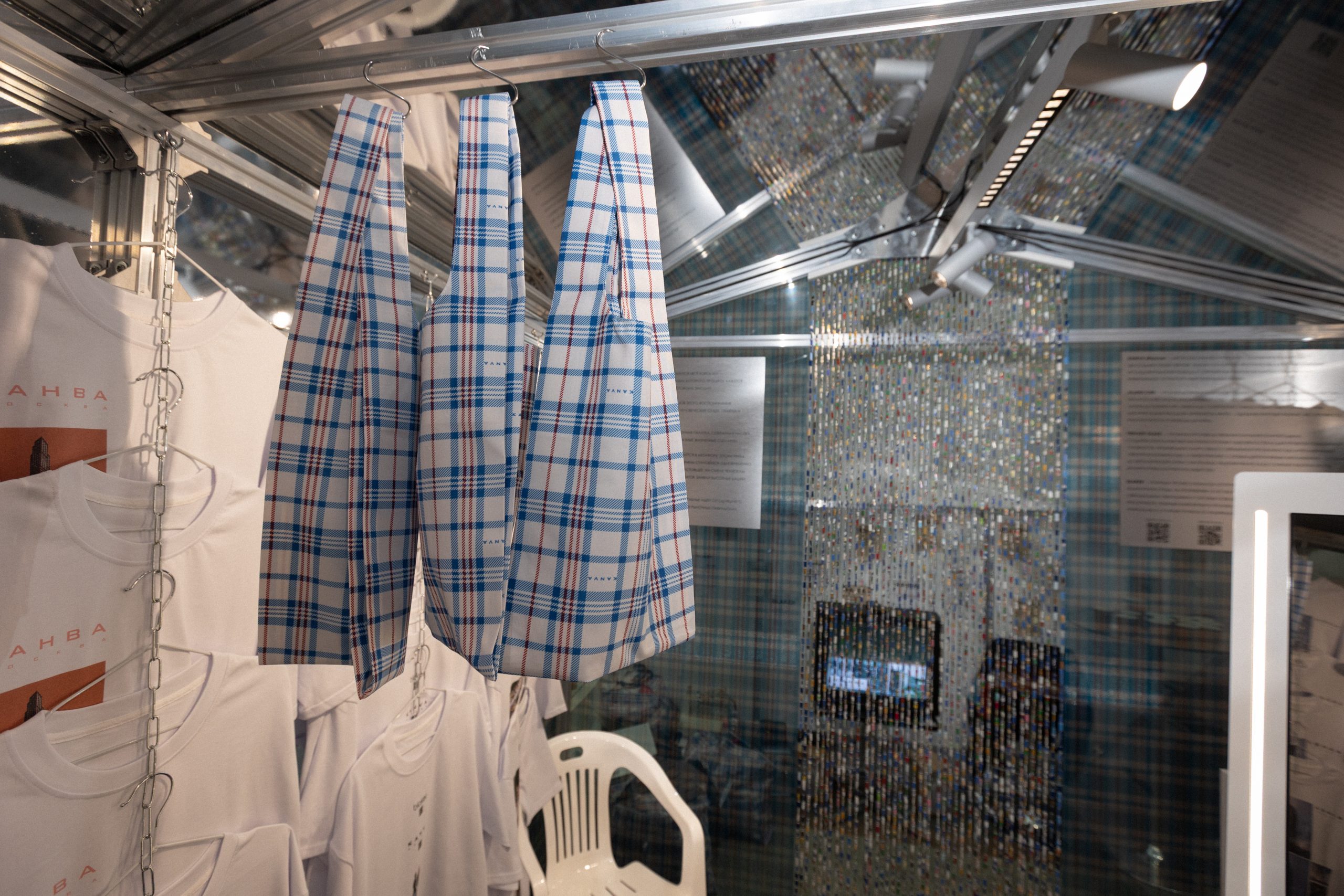
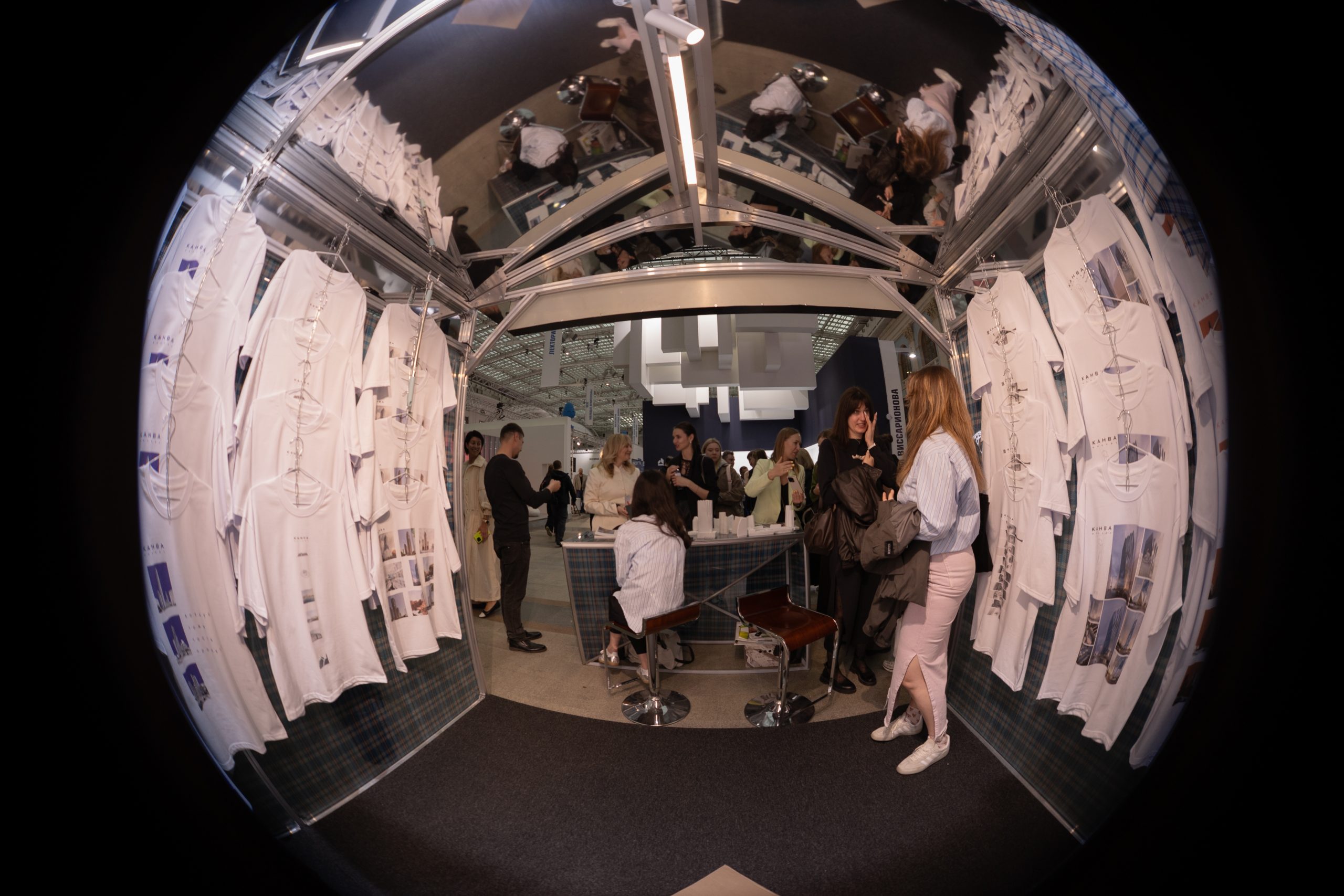
The central installation is constructed from translucent laminated glass supported by a metal frame and topped with an aluminium roof. Embedded within its structure are recognisable cultural references to the 1990s – from the iconic woven shopping bag pattern to the familiar geometry of the standard Soviet PO-2 concrete fence. Together, these elements form a layered narrative about a period when the market economy was taking shape and temporary trading structures became the first spatial manifestations of private enterprise.
Many contemporary businesses emerged from the dense fabric of such marketplaces before eventually moving into office buildings and commercial districts of various scales. In this context, the market stall becomes a symbol of a vanished era, an allusion to the present day – when traders have been replaced by buyers and global sourcing networks – and a metaphor for the continuous evolution of the urban economy.
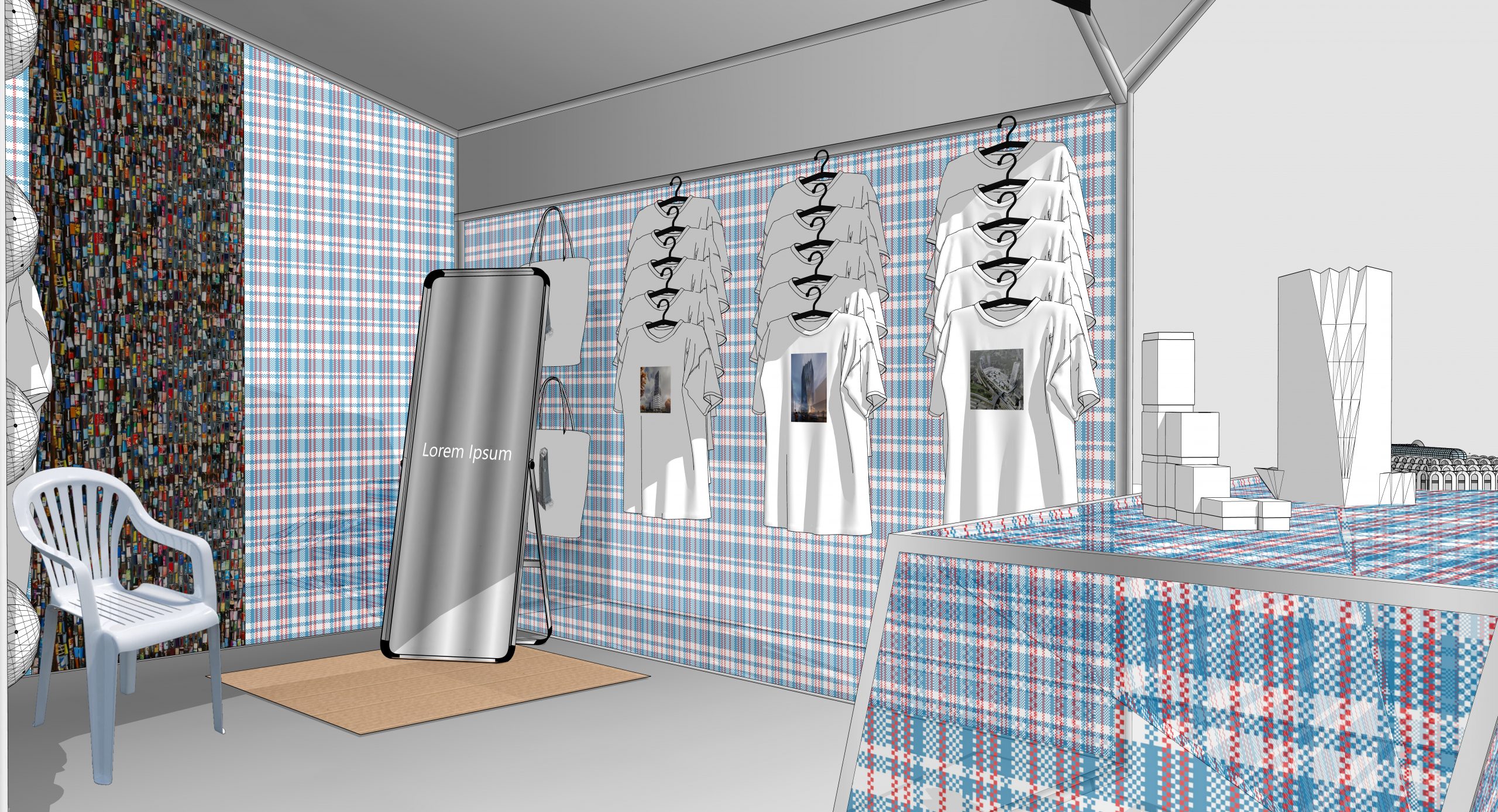
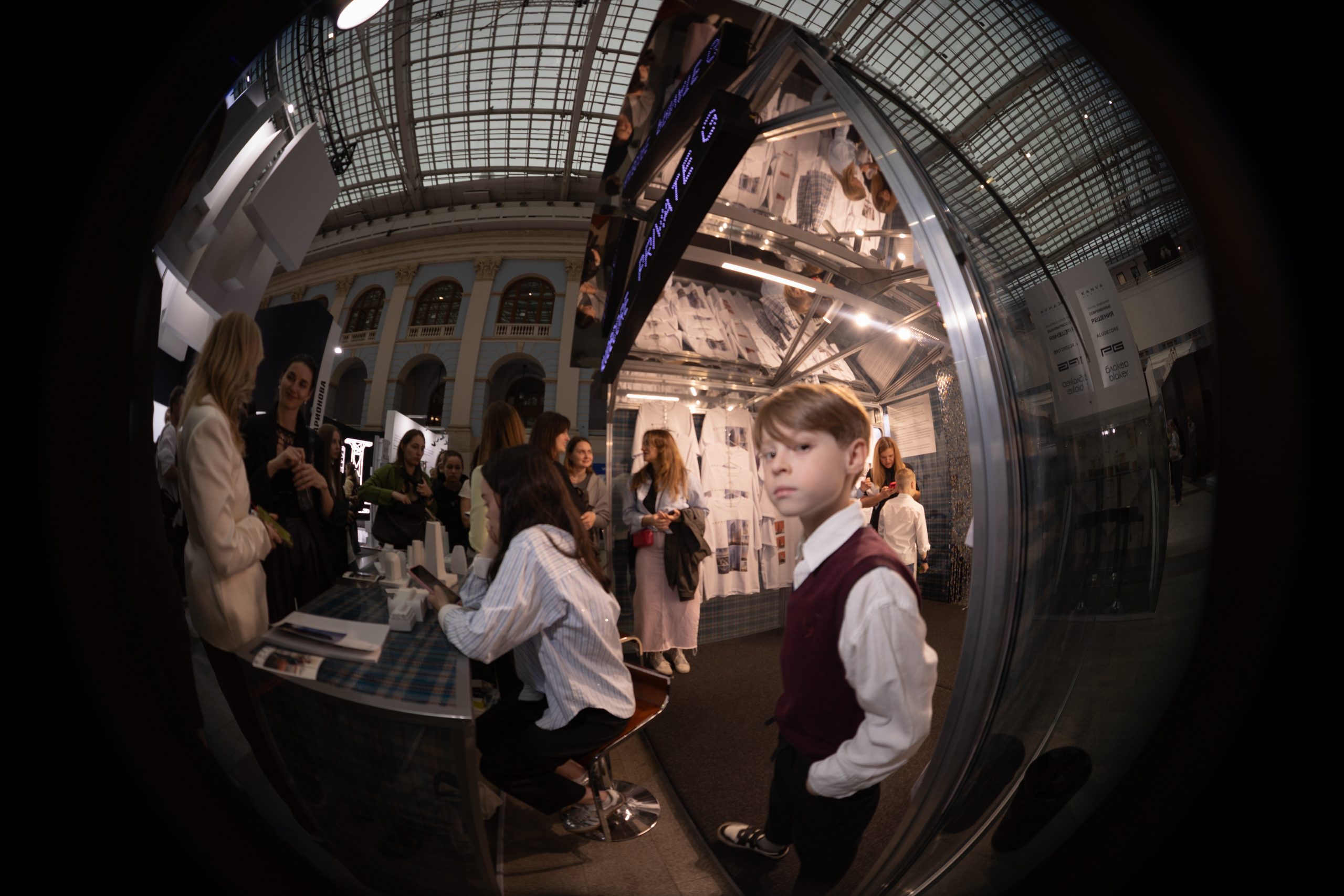
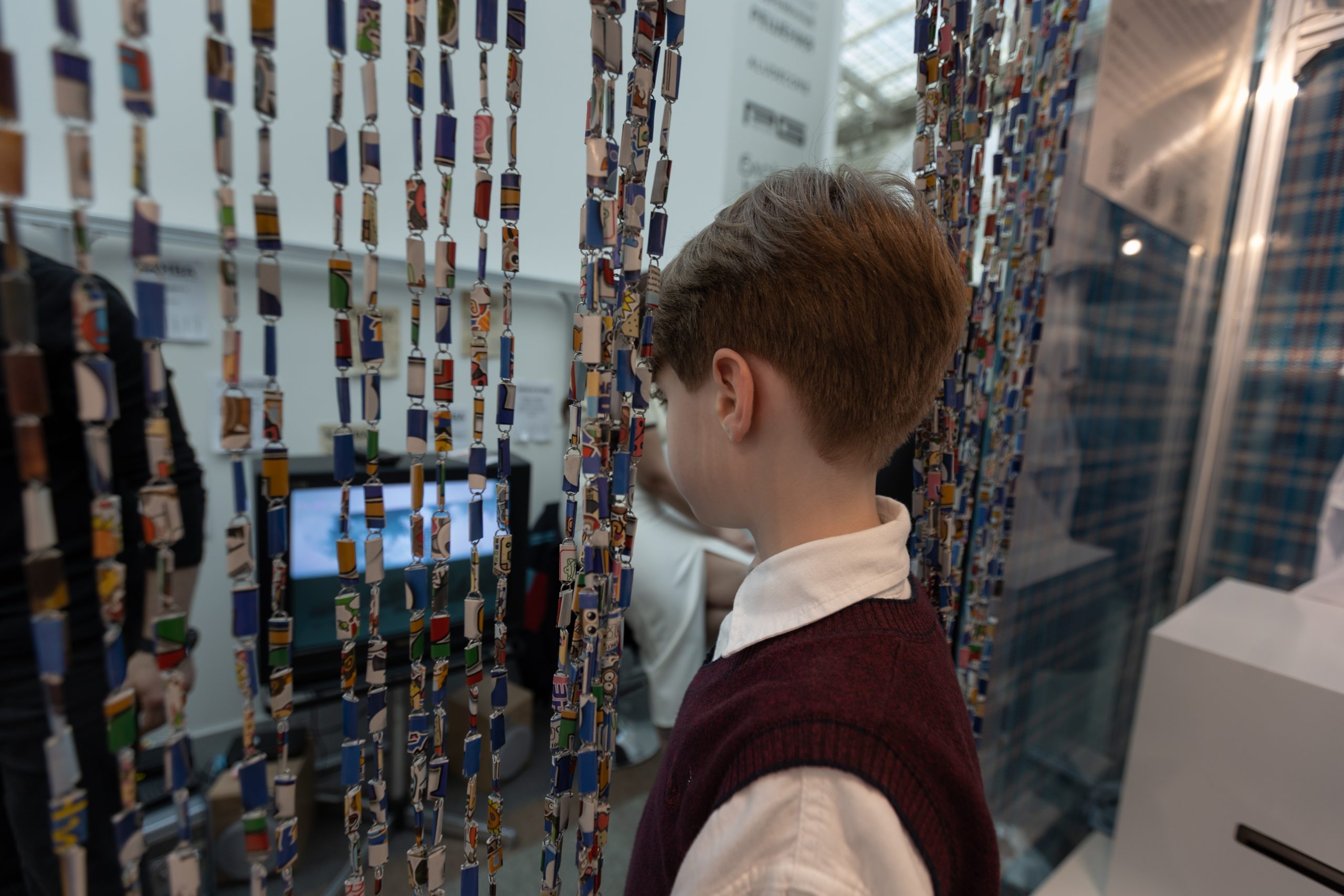
The pavilion is conceived as a sequence of spatial episodes and artefacts that reconstruct the atmosphere of the post-Soviet marketplace. Objects, multimedia installations, lighting, and digital technologies are brought together within a single immersive narrative, inviting visitors not merely to observe the exhibition but to become active participants in it.
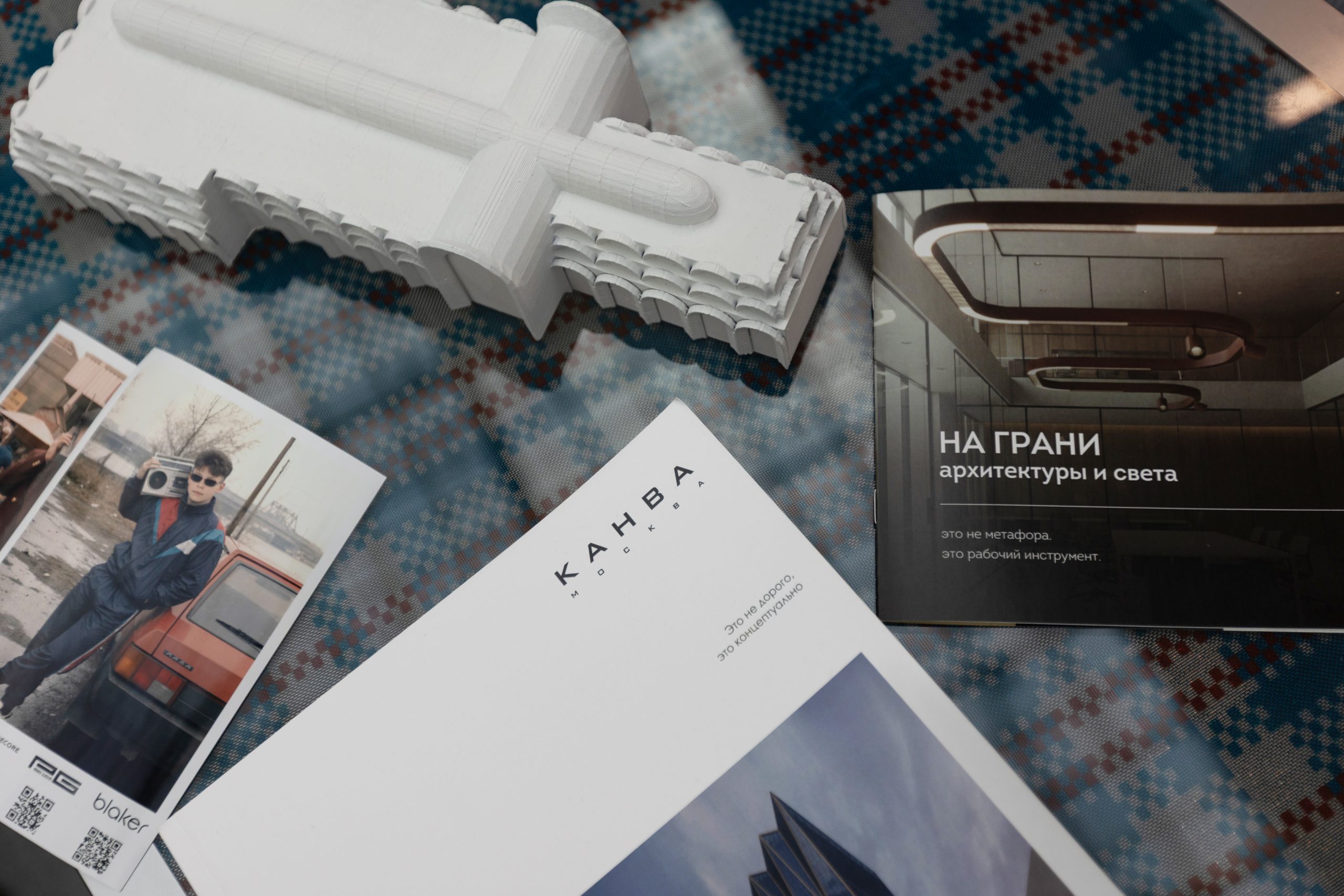
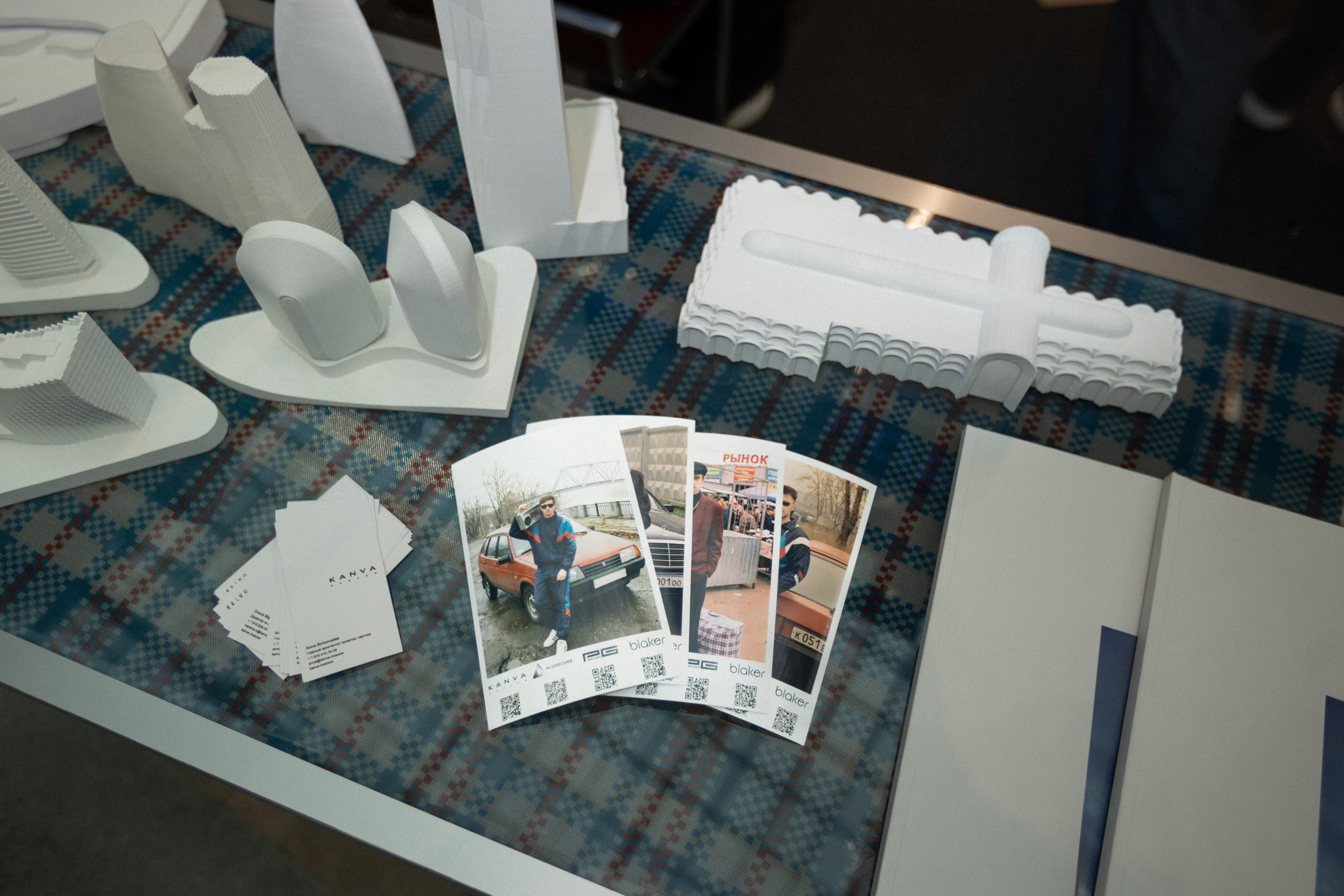
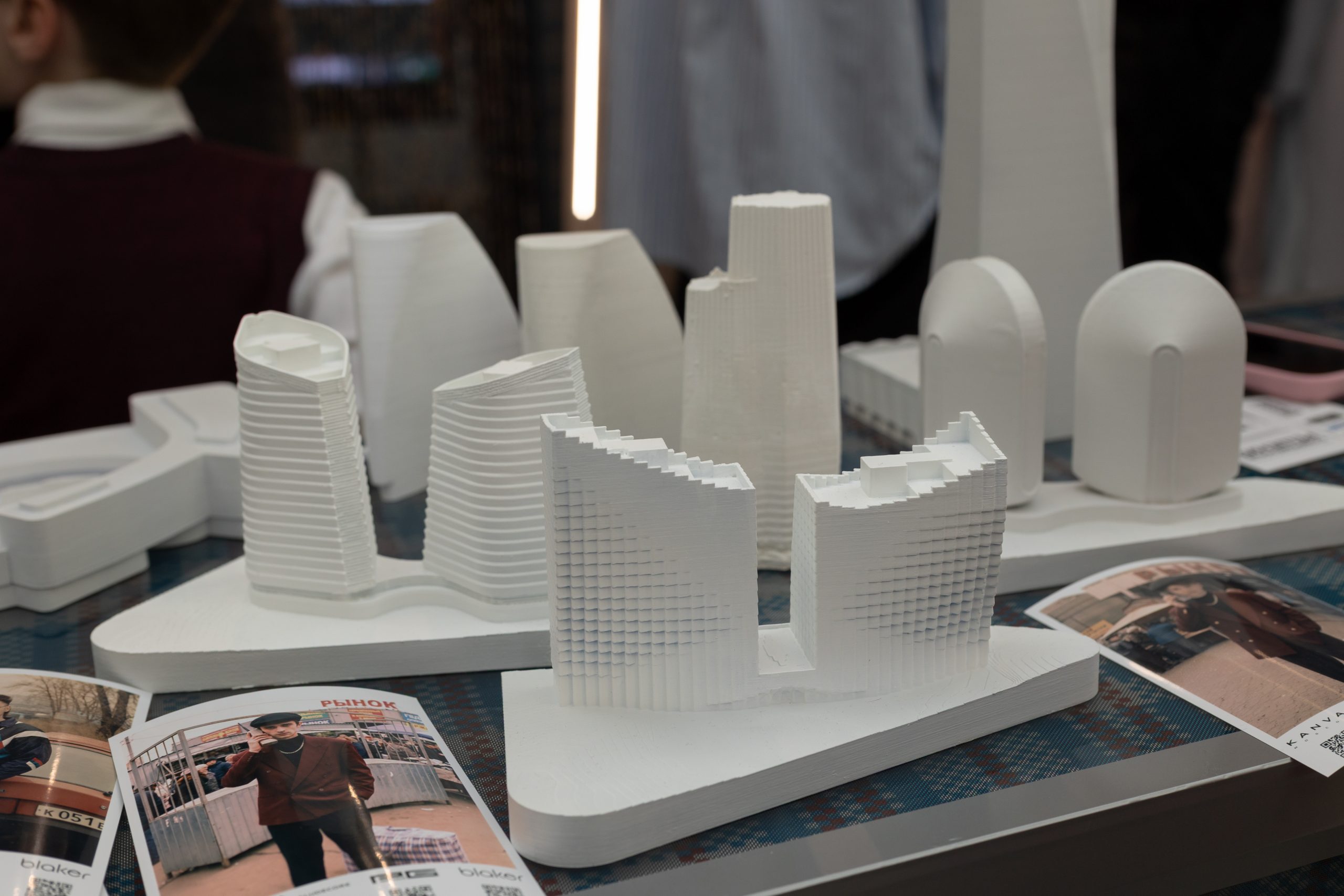
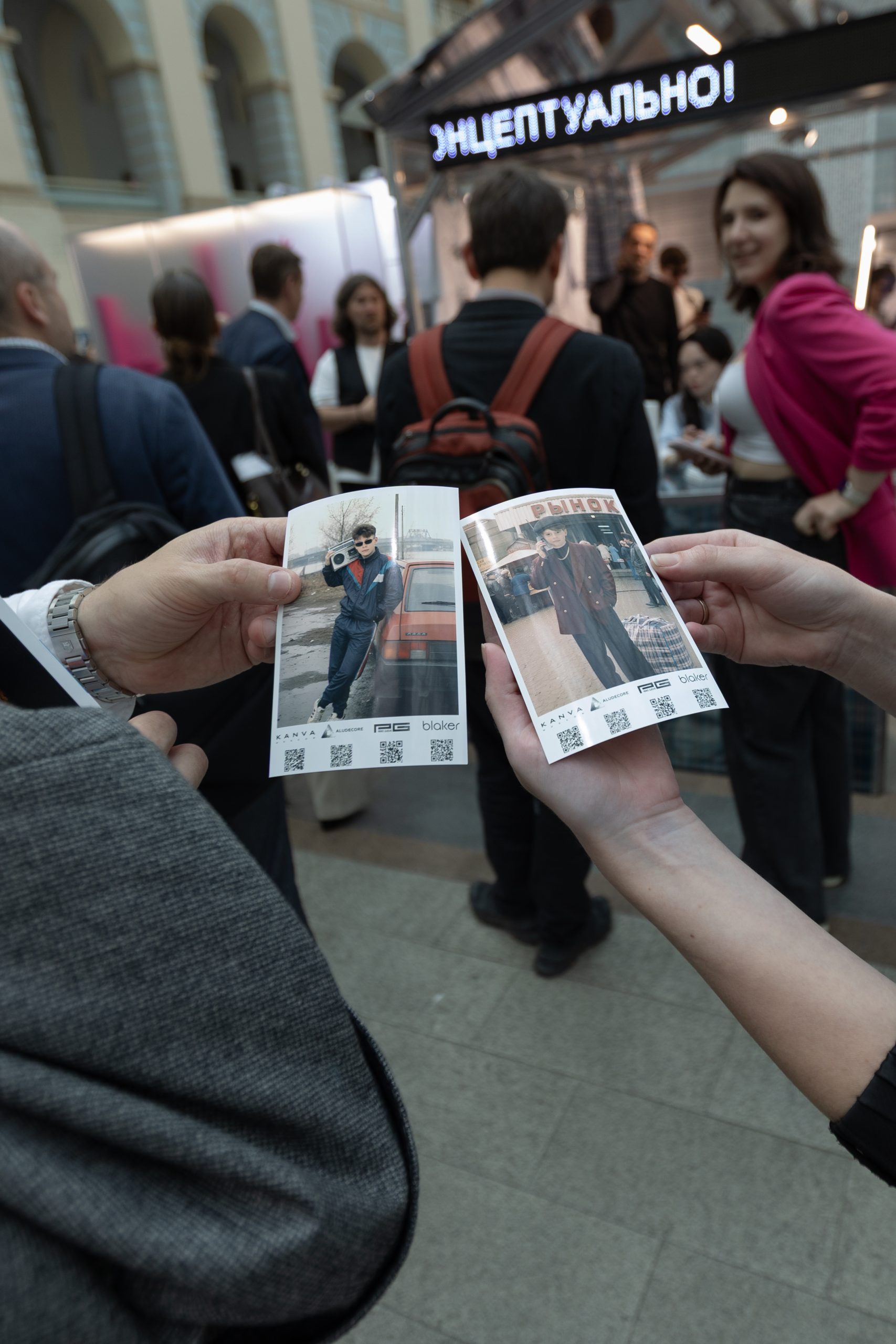
A key element of the experience is an interactive digital mirror featuring generative graphics inspired by the visual language of the 1990s. Visitors could step into a digitally generated character from the era and receive a commemorative portrait. Through this interaction, the pavilion transformed into a space of collective experience, where personal memories intersected with broader reflections on public memory, the transformation of urban environments, and architecture’s role in preserving cultural narratives.
The project demonstrates that even the most temporary and utilitarian urban structures can become part of a city’s cultural heritage. Originally conceived as a purely functional object, the market stall is reimagined within the KANVA Moscow pavilion as an architectural artefact through which the relationships between economic processes, social change, and the evolution of the urban environment can be explored.